- Turning big ideas into great products
- +234 706 495 6005

- Export License No.RN 0003919
-
Opening HoursMON-SAT 8AM-6PM
- Call Us+234 706 495 6005
HOW TO BECOME AN EXPORTER IN NIGERIA
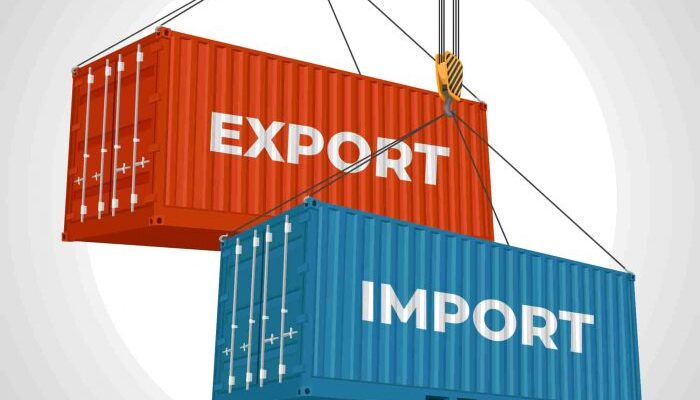
HOW TO BECOME AN EXPORTER IN NIGERIA
In today’s interconnected world, the exportation of goods and services has emerged as a pivotal avenue for businesses and individuals to tap into the vast potential of international markets. Nigeria, a nation endowed with abundant natural resources and a burgeoning entrepreneurial spirit, presents a fertile ground for aspiring exporters seeking to expand their reach beyond domestic borders. However, navigating the intricate landscape of international trade can be daunting, replete with complexities and challenges. This comprehensive guide aims to equip you with the necessary knowledge and strategies on how to become an exporter in Nigeria, enabling you to take advantage of the lucrative opportunities that await.
Understanding the Export Industry in Nigeria
Before delving into the nitty-gritty of exporting, it is crucial to grasp the fundamental concepts and entities that shape the export industry in Nigeria. This foundational knowledge will not only provide you with a holistic perspective but also aid in making informed decisions throughout your exporting endeavors.
Defining Important Export Terminologies
To facilitate a seamless understanding of how to become an exporter in Nigeria, let’s familiarize ourselves with some essential terminologies:
- Exporter: An individual or entity that sells goods or services across international borders for consumption or use in another country.
- Importer: The counterpart to an exporter, an importer is the party that purchases goods or services from a foreign source for domestic consumption or use.
- Commodity: A tangible product or raw material that can be bought, sold, and traded on international markets.
- Arbitrage: The practice of exploiting price differences in different markets by buying a commodity in one market and selling it in another for a profit.
The Export Supply Chain in Nigeria
The export supply chain encompasses a series of interconnected processes and stakeholders that facilitate the movement of goods from their point of origin to their final destination. Understanding this intricate network is important for an aspiring exporter with interest on how to become an exporter in Nigeria and also paramount for efficient and cost-effective exporting operations. The key components of the export supply chain include:
- Sourcing: Identifying and procuring the desired products or commodities from local suppliers or producers.
- Processing and Packaging: Ensuring that the commodities meet international quality standards and are appropriately packaged for transportation.
- Logistics and Transportation: Coordinating the movement of goods from their source to the port of export, involving various modes of transportation and intermediaries.
- Documentation and Compliance: Adhering to legal and regulatory requirements by obtaining necessary permits, licenses, and documentation for export clearance.
- Shipping and Customs Clearance: Engaging with freight forwarders, shipping lines, and customs authorities to facilitate the seamless export of goods.
- Payment and Settlement: Negotiating and adhering to agreed-upon payment terms and methods to ensure timely compensation for exported goods.
Factors Influencing Successful International Commodity Trading
Numerous factors can influence the success or failure of an exporting venture. Recognizing and addressing these factors proactively can mitigate risks and maximize profitability for an aspiring exporter seeking how to become an exporter in Nigeria. Some critical factors to consider include:
- Market Demand and Competition: It is important for an aspiring exporter seeking how to become an exporter in Nigeria to conduct thorough market research to identify lucrative export opportunities and understand the competitive landscape.
- Quality Standards and Certifications: Aspiring exporters in Nigeria must ensure that exported goods meet international quality standards and possess the necessary certifications to gain access to target markets.
- Pricing and Costing: Developing a comprehensive pricing strategy that accounts for production costs, logistics expenses, and competitive market rates.
- Logistics and Supply Chain Efficiency: Optimizing the supply chain to minimize delays, reduce costs, and ensure timely delivery of goods.
- Risk Management: Implementing measures to mitigate potential risks, such as currency fluctuations, political instability, and payment defaults.
- Compliance and Regulatory Frameworks: Staying abreast of relevant laws, regulations, and trade agreements governing international trade.
By comprehending these foundational aspects of the export industry, an aspiring exporter seeking how to become an exporter in Nigeria will be better equipped to navigate the complexities of international trade and position themselves for sustained success.
How Exporters Can Identify Lucrative Export Opportunities in Nigeria
One of the initial steps in your exporting journey is to identify viable export opportunities that align with your capabilities and resources. Nigeria, with its diverse array of natural resources and agricultural products, presents a plethora of options for an aspiring exporter seeking how to become an exporter in Nigeria.
Hot-Selling Agricultural Products in Nigeria
Nigeria’s fertile lands and favorable climatic conditions make it an ideal source for various agricultural commodities that are in high demand globally. Some of the hot-selling agricultural products for aspiring exporters in Nigeria to consider for export include:
- Cashew Nuts: Nigeria is a leading producer of cashew nuts, with a significant portion of the crop being exported to international markets.
- Sesame Seeds: Known for their nutritional value and versatility, sesame seeds from Nigeria are highly sought after by food processors and manufacturers worldwide.
- Dried ginger: Nigerian ginger is renowned for its pungent flavor and aroma, making it a prized ingredient in culinary and pharmaceutical applications.
- Shea Butter: Extracted from the nuts of the shea tree, shea butter is a valuable commodity in the cosmetics and personal care industries.
- Cocoa Beans: Nigeria’s cocoa beans are highly valued for their rich flavor and are used in the production of chocolate and other cocoa-based products.
- Tiger Nuts: Known for its huge health benefits, Nigerian tiger nuts is highly sought after in the international market
- Soybean: Used for soy milk, soy vegetable oil and healthy meals, soybean is a cheap source of protein for animal feeds and many packaged meals.
Solid Minerals and Mineral Resources in Nigeria
In addition to agricultural commodities, Nigeria’s mineral wealth presents lucrative export opportunities for those interested in venturing into the mining and mineral trade. Some of the high-demand solid minerals and mineral resources include:
- Lead Ore: Nigeria is endowed with significant lead ore reserves, which are used in various industrial applications, including battery manufacturing and radiation shielding.
- Zinc Ore: The country’s zinc ore deposits are in high demand for galvanizing and brass production, among other industrial uses.
- Lithium: As the global demand for lithium-ion batteries continues to surge, Nigeria’s lithium reserves have garnered significant interest from international buyers.
- Muscovite Mica: Used in various industries, including electronics and construction, muscovite mica from Nigeria is a valuable export commodity.
- Copper ore: Becaused its such a good conductor of electricity, copper ore is used in electrical generators and motors for electrical wiring and in electronic goods such as radios and TVs.
- Beryllium ore: Beryllium ore is used in alloys with copper or nickel to make gyroscopes, springs, electrical contacts, spot-welding electrodes and non sparking tools
HARDWOOD CHARCOAL IN NIGERIA
Nigerian Hardwood charcoal is the most sought-after charcoal in the world, it is highly sought after in Europe and majorly in the Middle East because of its ability to burn for long, does not spark, does not smoke and generates less ash. Nigerian charcoal is made from two major wood which are Ayeen wood and Acacia. There are three major types of charcoal exported from Nigeria and they are; Restaurant Charcoal, Shisha Charcoal, and Barebque Charcoal.
Processed and Value-Added Products
In addition to raw commodities, Nigeria offers opportunities for exporting processed and value-added products to aspiring exporters with interest on how to become exporters in Nigeria. These products can range from food items to manufactured goods, catering to diverse international markets. Some examples include:
- Processed Foods: Exporting processed foods such as snacks, beverages, and packaged meals can tap into the growing demand for convenience and ready-to-eat products.
- Textile and Garment Products: Nigeria’s textile industry can capitalize on international fashion trends by exporting locally produced garments and textiles.
- Handicrafts and Artisanal Products: The country’s rich cultural heritage can be showcased through the export of handmade crafts, artworks, and traditional products.
By identifying and focusing on these high-demand commodities and products, you can position yourself to capitalize on lucrative export opportunities and establish a solid foothold in international markets.
Navigating the Regulatory Landscape
Successful exporting requires adherence to a myriad of regulations and legal frameworks governing international trade. Familiarizing yourself with these requirements is crucial to ensure compliance and avoid potential pitfalls.
Registering Your Export Business in Nigeria
Before embarking on your exporting journey as an aspiring exporter seeking how to become an exporter in Nigeria, it is essential to establish a legal business entity and obtain the necessary licenses and permits. In Nigeria, the process typically involves the following steps:
- Company Registration: Register your business as a limited liability company or cooperative society with exportation listed as one of its objectives.
- Export License: Obtain an export license from the Nigerian Export Promotion Council (NEPC), the government agency responsible for regulating and promoting exports.
- SCUML License: Obtain a license from the special control unit against money laundering, a department under the Economic and Financial Crimes Commission charged with the responsibility of registering monitoring, and supervising the activities of Designated Non-Financial Businesses and Professions in line with the Money Laundering Act, 2022
Understanding Export Documentation in Nigeria
As an aspiring exporter seeking how to become an exporter in Nigeria, you must understand that proper documentation is the lifeblood of international trade, ensuring smooth transactions and facilitating the movement of goods across borders. Some of the essential documents required for exporting from Nigeria include:
- Form NXP: This form, issued by an authorized dealer (commercial or merchant bank), serves as the primary export documentation and must be completed and registered before initiating an export transaction.
- Pro-Forma Invoice: A pro-forma invoice outlines the details of the export transaction, including the product specifications, quantities, prices, and payment terms.
- Certificates of Quality: Depending on the nature of the exported goods, you may need to obtain relevant certificates of quality or conformity from accredited agencies.
- Shipping Documents: These include bills of lading, airway bills, and other documents required by the chosen mode of transportation and shipping line.
.Ensuring the accuracy and completeness of these documents is crucial for a seamless export process and avoiding potential delays or penalties.
Adhering to Export Laws and Regulations
International trade is governed by a complex web of laws and regulations aimed at facilitating fair trade practices and ensuring compliance with global standards. To be an exporter in Nigeria, it is imperative to familiarize yourself with the following:
- Trade Agreements and Preferential Access: Understanding trade agreements and preferential access programs, such as the Africa Growth and Opportunity Act (AGOA), can provide valuable opportunities for Nigerian exporters to gain preferential market access in certain countries or regions.
- Prohibited and Restricted Items: Certain goods may be subject to export restrictions or outright bans due to environmental, security, or ethical concerns. Ensuring compliance with these regulations is crucial to avoid legal repercussions.
- Sanctions and Embargoes: Familiarize yourself with any sanctions or embargoes imposed on specific countries or entities, as violating these measures can result in severe penalties.
- Intellectual Property Rights: Respect and adhere to intellectual property rights, such as patents, trademarks, and copyrights, to avoid potential legal disputes and protect your own intellectual property when exporting.
By navigating the regulatory landscape effectively, you can mitigate risks, ensure compliance, and position your export business for long-term success in the global marketplace.
Building a Reliable Supply Chain
A robust and efficient supply chain is the backbone of any successful exporting operation. Establishing a streamlined process for sourcing, processing, and transporting goods is crucial to meet international quality standards, minimize costs, and ensure timely delivery.
Sourcing Commodities For Your Export Business Locally in Nigeria
One of the primary challenges faced by exporters is sourcing high-quality commodities at competitive prices from local suppliers or producers. Effective sourcing strategies can include:
- Establishing Direct Relationships with Farmers and Producers: Building direct relationships with local farmers, cooperatives, or producers can ensure a steady supply of commodities and enable you to negotiate favorable pricing.
- Leveraging Local Marketplaces and Aggregators: Participate in local agricultural markets or work with commodity aggregators to access a wider pool of suppliers and leverage economies of scale.
- Implementing Strict Quality Control Measures: Implement rigorous quality control measures, such as sampling, testing, and inspections, to ensure that the commodities meet international standards and specifications.
- Exploring Alternative Sourcing Channels: Explore alternative sourcing channels, such as online platforms or trade fairs, to identify new suppliers and expand your sourcing network.
Standard Processing and Packaging for Your Export Business
Once the commodities have been sourced, it is essential for exporters to ensure they are processed and packaged according to international standards and buyer specifications. This may involve:
- Cleaning and Sorting: Removing impurities, sorting by size or quality, and ensuring consistent grading of the commodities.
- Processing and Value Addition: Depending on the commodity, processing steps such as drying, roasting, or extracting may be required to enhance quality or add value.
- Packaging and Labeling: Utilizing appropriate packaging materials and labeling techniques to protect the goods during transportation and comply with import regulations at the destination.
- Storage and Handling: Implementing proper storage and handling procedures to maintain the quality and integrity of the commodities until they are ready for shipment.
Logistics and Transportation to Port of Export
Efficient logistics and transportation are critical components of a successful export supply chain. Coordinating the movement of goods from their source to the port of export can involve various modes of transportation and intermediaries, such as:
- Trucking and Haulage Companies: Engage reputable trucking or haulage companies to transport the commodities from their source to the port or consolidation hub.
- Freight Forwarders: Freight forwarders can assist with arranging transportation, handling documentation, and coordinating the movement of goods through customs and across borders.
- Warehousing and Consolidation Facilities: Utilize warehousing and consolidation facilities to store and aggregate shipments, enabling economies of scale and efficient transportation.
By establishing a well-coordinated supply chain, you can ensure the timely delivery of your goods, minimize losses and damages, and maintain the integrity of your exported commodities throughout the entire process.
How to Get Reliable Buyers and Negotiate Sales Contracts
Identifying and securing reliable international buyers is a critical step in the exporting process. Building strong relationships with reputable buyers not only ensures a steady demand for your products but also mitigates the risk of payment defaults or other potential disputes.
How to Find International Buyers for Your Commodities
There are several avenues to explore when seeking potential buyers for your goods:
- Participate in International Trade Shows and Exhibitions: Attending trade shows and exhibitions can provide valuable networking opportunities and exposure to potential buyers from various countries and industries.
- Leverage Online Marketplaces and Directories: Utilize online platforms and directories specifically designed for international trade, such as Alibaba.com or GlobalTrade.net, to showcase your products and connect with buyers worldwide.
- Engage with Trade Associations and Chambers of Commerce: Collaborate with industry-specific trade associations or chambers of commerce, which often have extensive networks and can facilitate connections with potential buyers.
- Seek Assistance from Export Promotion Agencies: Organizations like the Nigerian Export Promotion Council (NEPC) can provide valuable resources and support in identifying and connecting with potential buyers in target markets.
How to Conduct Due Diligence on International Buyers
Before entering into any business relationship, it is crucial to conduct thorough due diligence on potential buyers to mitigate risks and ensure a smooth transaction. This process may involve:
- Verifying Company Registration and Credentials: Confirm the legitimacy of the buyer’s business by verifying their company registration, licenses, and credentials.
- Assessing Financial Stability and Credit History: Evaluate the buyer’s financial stability and credit history to gauge their ability to make timely payments and fulfill their obligations.
- Reviewing Past Performance and References: Request references from the buyer’s previous suppliers or partners to gain insights into their business practices and track record.
- Conducting Background Checks: Perform background checks on the key personnel involved in the transaction to identify any potential red flags or legal issues.
How To Negotiate Sales Contracts for Your Export
Once a suitable buyer has been identified, the next step is to negotiate and formalize the terms of the export transaction through a legally binding contract. This contract should clearly outline the following key elements:
- Product Specifications and Quality Standards: Detailed descriptions of the products being exported, including quantities, grades, and quality standards to be met.
- Pricing and Payment Terms: Agreed-upon prices, currency, and payment terms, such as letters of credit, wire transfers, or other secure payment methods.
- Delivery and Shipping Terms (Incoterms): Specifying the responsibilities and obligations of both parties regarding transportation, insurance, and delivery of the goods, based on internationally recognized Incoterms.
- Dispute Resolution Mechanisms: Provisions for resolving any potential disputes or disagreements through mediation, arbitration, or legal proceedings.
- Force Majeure Clauses: Clauses that outline the procedures and remedies in case of unforeseen events or circumstances beyond the control of either party, such as natural disasters or political unrest.
By conducting thorough due diligence and negotiating comprehensive export contracts, you can mitigate risks, establish clear expectations, and ensure a smooth and mutually beneficial business relationship with your international buyers.
Securing Finance for Export of Goods and Managing Payments
For an aspiring exporter with interest on how to become an exporter in Nigeria, exporting can be a capital-intensive endeavor, requiring substantial investments in sourcing, processing, and transporting goods. Securing adequate financing and managing payments effectively are crucial components of a successful exporting strategy.
Some Financing Options for Exporters in Nigeria
Exporters in Nigeria have access to various financing options to support their operations and facilitate international trade transactions. Some of the commonly utilized financing solutions include:
- Trade Finance: Financial institutions, such as commercial banks and specialized trade finance providers, offer trade finance solutions like letters of credit, export factoring, and export credit insurance to mitigate payment risks and facilitate cash flow management.
- Export Credit Agencies: Organizations like the Nigerian Export-Import Bank (NEXIM) and the Export Credit Guarantee Facility (ECGF) provide financing and credit guarantee schemes specifically designed for Nigerian exporters.
- Working Capital Loans: Traditional working capital loans from banks or alternative lenders can provide the necessary funds to finance the sourcing, processing, and transportation of goods for export.
- Asset-Based Financing: Exporters can leverage their assets, such as inventory or accounts receivable, to secure financing through asset-based lending or factoring arrangements.
When exploring financing options, it is essential to carefully evaluate the terms, conditions, and associated costs to ensure they align with your business objectives and financial capabilities.
Managing Payments and Mitigating Risks
Ensuring timely and secure payments is a critical aspect of successful exporting. Failure to receive payment can result in significant financial losses and jeopardize the sustainability of your export business. To mitigate payment risks, consider implementing the following strategies:
Implementing robust payment security measures, such as letters of credit or escrow accounts, to safeguard your interests and ensure payment before releasing the goods. Additionally, consider engaging the services of reputable international pre-shipment inspection companies to verify the quality and quantity of the goods before shipment, further reducing the risk of disputes or non-payment.
Maintaining open communication with your buyers and promptly addressing any concerns or issues that may arise can also help prevent payment delays or defaults. Establishing a track record of reliable and trustworthy business dealings can foster long-term relationships with buyers, enhancing your credibility and reducing payment risks over time.
By leveraging appropriate financing options and implementing effective payment management strategies, you can maintain a healthy cash flow, mitigate risks, and ensure the financial sustainability of your exporting operations.
Mastering Logistics and Transportation For Your Export Business
An aspiring exporter seeking how to become an exporter in Nigeria must know that efficient logistics and transportation are the lifeblood of any successful exporting venture. Ensuring the seamless movement of goods from their point of origin to their final destination requires careful planning, coordination, and adherence to best practices.
Choosing the Right Mode of Transportation for Your Export Transactions
As an exporter or aspiring exporter seeking how to become an exporter in Nigeria, you must understand that the mode of transportation you choose can significantly impact the cost, transit time, and overall efficiency of your export operations. Each mode has its own advantages and considerations:
- Air Freight: While more expensive, air freight offers the fastest transit times and is ideal for time-sensitive or perishable goods. However, it may be subject to weight and size restrictions.
- Ocean Freight: Ocean freight is generally more cost-effective for larger shipments and non-perishable goods. It offers various options, such as full container loads (FCL) or less-than-container loads (LCL), depending on your shipment size.
- Road Transportation: For overland exports to neighboring countries or regions, road transportation via trucks or rail can be a viable option, particularly for bulky or heavy goods.
- Multimodal Transportation: Combining different modes of transportation, such as air-sea or road-rail, can optimize efficiency and cost-effectiveness based on your specific requirements.
When selecting the appropriate mode of transportation, an aspiring exporter seeking how to become an exporter in Nigeria must consider factors such as transit time, cost, product characteristics, and destination.
Engaging Reliable Logistics Partners for Your Export Business
An aspiring exporter seeking how to become an exporter in Nigeria must know that partnering with experienced and reputable logistics service providers can streamline your export operations and ensure seamless transportation. Key partners to consider include:
- Freight Forwarders: Freight forwarders act as intermediaries, handling the logistics of moving goods from the point of origin to the final destination. They can coordinate various aspects of the supply chain, including transportation, documentation, and customs clearance.
- Shipping Lines and Carriers: Establish relationships with reputable shipping lines or carriers that offer reliable services and competitive rates for your chosen mode of transportation.
- Customs Brokers: Customs brokers can assist in navigating the complexities of customs regulations, ensuring compliance, and facilitating the smooth clearance of your goods for export.
- Third-Party Logistics Providers (3PLs): 3PLs offer comprehensive logistics solutions, including transportation, warehousing, and inventory management, providing a one-stop solution for your export logistics needs.
By carefully selecting and collaborating with reliable logistics partners, you can streamline your export operations, minimize delays, and ensure the timely delivery of your goods to international markets.
Leveraging Technology and Digitalization for Your Export Business
In today’s rapidly evolving business landscape, leveraging technology and embracing digitalization can provide exporters with a significant competitive advantage. From streamlining processes to enhancing visibility and data-driven decision-making, technology plays a pivotal role in optimizing export operations.
Implementing Digital Solutions for Your Export Business
Explore and implement digital solutions that can enhance various aspects of your exporting activities, such as:
- Enterprise Resource Planning (ERP) Systems: ERP systems can integrate and manage various business functions, including supply chain management, inventory control, and financial operations, providing a centralized platform for efficient data management and decision-making.
- Supply Chain Management Software: Specialized supply chain management software can help optimize logistics operations, track shipments in real-time, and facilitate collaboration with logistics partners and suppliers.
- E-Commerce Platforms: Leverage e-commerce platforms to showcase your products, connect with potential buyers, and facilitate online transactions, expanding your reach to global markets.
- Digital Documentation and Paperless Trade: Adopt digital documentation systems and paperless trade initiatives to streamline the exchange of export-related documents, reducing the risk of errors, delays, and unnecessary costs associated with physical paperwork.
- Data Analytics and Business Intelligence Tools: Utilize data analytics and business intelligence tools to gain valuable insights from your export data, identify trends and opportunities, and make informed decisions to optimize your operations and profitability.
By embracing digital transformation and leveraging the power of technology, an aspiring exporter seeking how to become an exporter in Nigeria can enhance their operational efficiency, improve visibility, and gain a competitive edge in the global export market.
Building a Strong Brand and Reputation for Your Export Business
In the highly competitive world of international trade, a strong brand and reputation can set you apart from competitors and foster trust with potential buyers. Establishing a credible and recognizable brand is essential for long-term success in the exporting industry.
Developing a Compelling Brand Identity for Your Export Business
An aspiring exporter seeking how to become an exporter in Nigeria must know this; your brand identity should reflect the values, quality standards, and unique selling propositions that distinguish your export business from others. Consider the following elements when crafting your brand identity:
- Brand Name and Logo: Choose a memorable and distinctive brand name that resonates with your target audience. Develop a professional logo that accurately represents your brand’s essence and values.
- Brand Messaging and Positioning: Clearly articulate your brand’s messaging and positioning, highlighting your unique value proposition, quality commitment, and competitive advantages.
- Visual Identity and Branding Guidelines: Establish consistent visual elements, such as color schemes, typography, and imagery, that reinforce your brand’s identity across all marketing and communication materials.
- Brand Storytelling: Craft compelling brand stories that resonate with your target audience, showcasing your company’s history, mission, and commitment to excellence in the exporting industry.
Building Brand Credibility and Trust for Your Export Business
In addition to a strong brand identity, an aspiring exporter seeking how to become an exporter in Nigeria must know that building credibility and trust with their stakeholders is crucial for long-term success. Consider the following strategies:
- Transparency and Ethical Practices: Operate with transparency and adhere to ethical business practices, fostering trust and confidence among your buyers, suppliers, and partners.
- Quality Assurance and Certifications: Implement robust quality assurance processes and obtain relevant certifications or accreditations to demonstrate your commitment to delivering high-quality products and services.
- Customer Service and Support: Provide exceptional customer service and support, promptly addressing inquiries, concerns, and resolving any issues that may arise during the export process.
- Industry Involvement and Networking: Actively participate in industry associations, trade shows, and networking events to establish your brand’s presence, share your expertise, and build relationships within the exporting community.
By cultivating a strong brand identity and reputation, an aspiring exporter seeking how to become an exporter in Nigeria can differentiate themselves in the market, attract loyal customers, and establish a sustainable competitive advantage in the global export arena.
Continuous Learning and Adaptation
The export industry is dynamic, with ever-evolving regulations, market trends, and technological advancements. As an aspiring exporter seeking how to become an exporter in Nigeria, you must understand that embracing a mindset of continuous learning and adaptation is crucial for maintaining a competitive edge and ensuring the long-term success of your exporting endeavors.
Staying Updated on the Export Industry Trends and Developments
Regularly monitor and stay informed about the latest trends, developments, and best practices in the exporting industry. This can include:
- Attending Industry Events and Conferences: Participate in relevant trade shows, conferences, and seminars to gain insights from industry experts, network with peers, and stay abreast of emerging trends and innovations.
- Engaging with Industry Associations and Regulatory Bodies: Maintain active memberships and engage with industry associations, export promotion councils, and regulatory bodies to receive updates on policy changes, trade agreements, and industry-specific developments.
- Subscribing to Industry Publications and Resources: Subscribe to reputable industry publications, blogs, and online resources to access the latest news, research, and analysis related to the exporting industry.
- Leveraging Professional Networks: Cultivate professional networks within the exporting community, enabling you to exchange knowledge, best practices, and insights with experienced professionals.
Embracing Continuous Improvement and Innovation
It is very important for an aspiring exporter seeking how to become an exporter in Nigeria to continuously evaluate and refine their export processes, strategies, and operations to identify areas for improvement and innovation. Consider the following approaches:
- Implementing Lean Methodologies: Adopt lean methodologies, such as continuous process improvement or Six Sigma, to streamline your operations, reduce waste, and enhance efficiency.
- Leveraging Technology and Automation: Explore and implement new technologies and automation solutions that can optimize various aspects of your export operations, from supply chain management to data analytics.
- Encouraging Employee Development and Training: Invest in the professional development and training of your employees, equipping them with the necessary skills and knowledge to adapt to changing industry dynamics.
- Fostering a Culture of Innovation: Cultivate a culture of innovation within your organization, encouraging employees to share ideas, experiment with new approaches, and embrace change as an opportunity for growth and competitive advantage.
By embracing a mindset of continuous learning and adaptation, an aspiring exporter seeking how to become an exporter in Nigeria can stay ahead of the curve, anticipate and respond to industry changes, and position their export businesses for long-term sustainability and success in the dynamic global marketplace.










1 Comment
great article, perfect for aspiring exporters seeking how to become exporters in Nigeria.